
Singing Bowl Benefits Explained
Singing Bowl Benefits: Science Meets Ancient Wisdom
For thousands of years, singing bowls have been used in meditation, healing ceremonies, and spiritual practices across Asia. Today, these resonant instruments are experiencing a renaissance as modern practitioners discover what ancient wisdom has long known: singing bowls offer profound benefits for physical, mental, and emotional wellbeing.
Whether you’re drawn to singing bowls for stress relief, meditation support, or simply their beautiful tones, understanding their benefits can help you maximize their therapeutic potential. In this comprehensive guide, we’ll explore the science-backed advantages of singing bowl practice and how you can harness their healing power.
What Makes Singing Bowls Therapeutic?
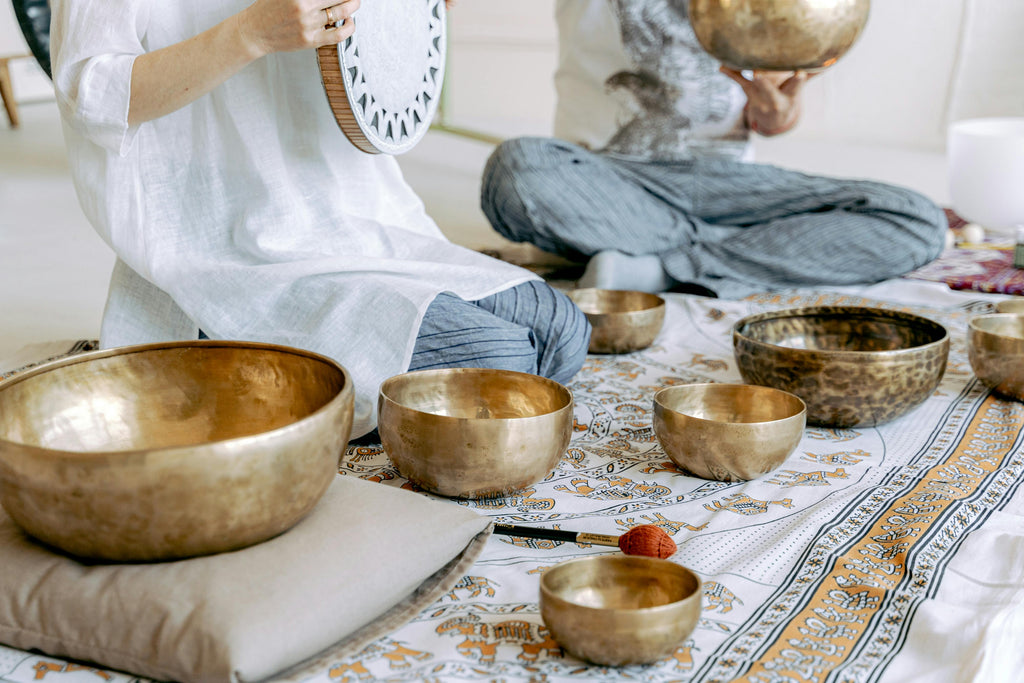
Singing bowls produce rich, complex sounds that create vibrational frequencies throughout your body and environment. When played, these bowls generate:
- Fundamental tones: The primary frequency of the bowl
- Harmonic overtones: Secondary frequencies that create depth and richness
- Binaural beats: Subtle frequency differences between ears that influence brainwave states
- Physical vibrations: Tangible waves of energy that can be felt throughout the body
This unique combination of auditory and tactile experiences makes singing bowls particularly effective for therapeutic applications. Unlike other musical instruments, the sustained tones and pure frequencies of singing bowls can entrain brainwaves and nervous system responses in ways that promote deep healing and relaxation.
Physical Health Benefits
Stress Reduction and Cortisol Management
One of the most well-documented benefits of singing bowls is their ability to reduce stress. A 2016 study published in the Journal of Evidence-Based Complementary & Alternative Medicine found that participants who experienced Tibetan singing bowl meditation showed significant decreases in:
- Tension levels
- Anger responses
- Fatigue
- Depressed mood
The study also found increased spiritual wellbeing among participants. This stress-reducing effect likely occurs through the activation of the parasympathetic nervous system—your body’s “rest and digest” mode—which counters the fight-or-flight response that chronic stress triggers.
When you’re stressed, your body produces cortisol, a hormone that, in excess, can contribute to inflammation, weight gain, and numerous health issues. Regular sound healing meditation with singing bowls may help regulate cortisol production, supporting overall hormonal balance.
Pain Management and Relief
Many practitioners report that singing bowl therapy helps manage chronic pain conditions. While research in this area is still emerging, several mechanisms may explain these effects:
Endorphin release: The relaxation induced by singing bowls may trigger the release of endorphins, the body’s natural pain-relieving chemicals.
Muscle tension release: Sound vibrations can help release physical tension held in muscles, potentially reducing pain from tension-related conditions.
Pain perception alteration: By shifting focus to sound and inducing deep relaxation, singing bowls may change how the brain processes pain signals.
Improved circulation: Some practitioners believe the vibrations promote better blood flow, which can support healing and reduce inflammation.
Immune System Support
Chronic stress weakens the immune system, making you more susceptible to illness. By reducing stress and promoting relaxation, singing bowl practice may indirectly support immune function. Additionally, the deep relaxation achieved during sound healing allows the body to redirect energy toward healing and repair processes.
Blood Pressure and Heart Rate Regulation
The calming effect of singing bowls can lead to measurable decreases in blood pressure and heart rate. This makes them potentially valuable for people managing hypertension or cardiovascular concerns, though they should complement—not replace—medical treatment.
Improved Sleep Quality
Many people who incorporate singing bowl practice into their evening routine report better sleep. The bowls’ ability to calm the nervous system, quiet mental chatter, and release physical tension creates ideal conditions for restful sleep.
To maximize this benefit, try a brief singing bowl meditation 30-60 minutes before bed, allowing the vibrations to signal your body that it’s time to wind down.
Mental and Cognitive Benefits
Enhanced Focus and Concentration
The pure tones of singing bowls can help train attention and improve focus. When you practice listening to a singing bowl, you’re essentially practicing mindfulness—bringing your awareness fully to the present moment and to a single focal point (the sound).
This skill transfers to other areas of life, potentially improving your ability to concentrate on tasks, reduce distractibility, and maintain sustained attention.
Brainwave Entrainment
Research suggests that external rhythmic stimulation, including sound frequencies, can influence brainwave patterns through a process called entrainment. Singing bowls produce frequencies that may help shift your brain from:
- Beta waves (13-30 Hz): Active thinking, alertness, stress
- Alpha waves (8-13 Hz): Relaxed awareness, creativity, light meditation
- Theta waves (4-8 Hz): Deep meditation, intuition, REM sleep
- Delta waves (0.5-4 Hz): Deep sleep, healing, unconscious processes
This ability to guide the brain into different states makes singing bowls valuable tools for meditation, creative work, or preparing for sleep.
Anxiety Reduction
For people struggling with anxiety, singing bowls offer a tangible anchor for attention during anxious episodes. The physical act of playing the bowl, combined with the soothing vibrations, can interrupt anxious thought patterns and provide immediate relief.
The 2016 study mentioned earlier found significant reductions in anxiety among participants after just one singing bowl meditation session. Regular practice may provide even more substantial benefits for managing chronic anxiety.
Improved Mental Clarity
Many practitioners report experiencing greater mental clarity after singing bowl sessions. By quieting the constant stream of thoughts and worries, sound healing creates space for insight, creativity, and clearer thinking.
This effect might be particularly valuable before important decisions, creative work, or when feeling mentally overwhelmed.
Emotional and Spiritual Benefits
Emotional Processing and Release
Sound vibrations seem to access emotional patterns held in the body in ways that talk therapy or cognitive approaches sometimes cannot. Many people experience emotional releases—tears, laughter, or simply a sense of letting go—during or after singing bowl sessions.
This isn’t necessarily about catharsis for its own sake, but rather about allowing stuck emotions to move through and out of your system, creating space for healing and new emotional patterns.
Chakra Balancing
In yogic and energy healing traditions, singing bowls are often used for chakra work. Each of the body’s seven main chakras is associated with specific frequencies, and chakra singing bowls are specifically tuned to resonate with these energy centers.
While scientific research on chakras is limited, many practitioners report feeling more balanced, grounded, and energetically aligned after working with chakra-tuned bowls. Whether you interpret this through an energetic lens or as nervous system regulation, the experiential benefits are undeniable for many people.
Enhanced Meditation Practice
For both new and experienced meditators, singing bowls can deepen meditation practice. The sound provides a focal point that’s often easier to maintain attention on compared to the breath alone. The vibrations also seem to facilitate dropping into meditative states more quickly and deeply.
If you struggle with traditional silent meditation, incorporating a singing bowl might be the key to developing a consistent practice.
Increased Mindfulness and Presence
Regular practice with singing bowls naturally cultivates mindfulness—the quality of being present and aware in the current moment. Each time you bring your attention back to the sound of the bowl, you’re strengthening your capacity for presence.
This skill extends beyond meditation sessions, helping you remain more grounded and aware throughout daily life. Many practitioners find they become more responsive rather than reactive, noticing their thoughts and emotions with greater clarity.
Spiritual Connection
Many people report that singing bowl practice deepens their sense of spiritual connection, however they define that term. The transcendent quality of the sounds seems to create openings for experiences of unity, peace, and connection to something larger than the individual self.
This doesn’t require adherence to any particular spiritual or religious framework. The experience of profound peace and interconnectedness that singing bowls can facilitate is accessible regardless of your beliefs or background.
Benefits for Specific Populations
For Yoga Practitioners
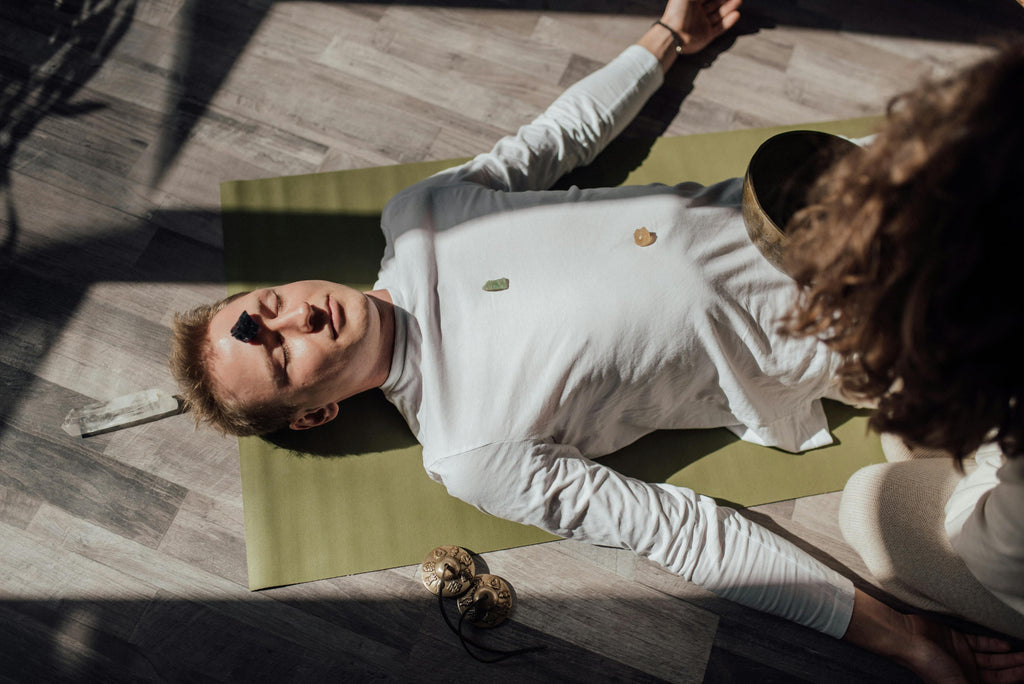
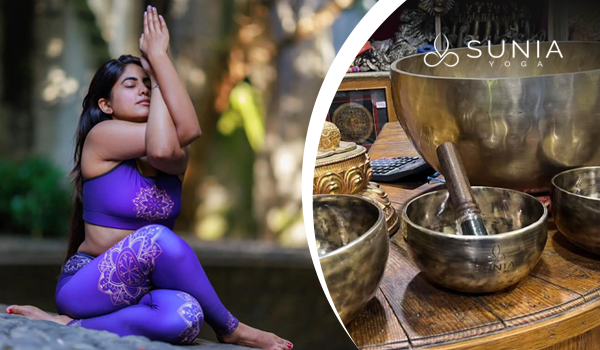
Singing bowls complement yoga practice beautifully. Many yoga teachers incorporate bowls during savasana (final relaxation) or use them to mark transitions between poses. The sound helps practitioners integrate the energy and awareness cultivated during asana practice.
After your next yoga session, try spending 5-10 minutes in meditation with a singing bowl to deepen the benefits of your practice.
For Healthcare Settings
Progressive healthcare facilities and hospice centers are increasingly incorporating singing bowls into patient care. The non-invasive, drug-free nature of sound healing makes it a valuable complementary therapy for managing pain, anxiety, and distress in medical contexts.
For Children and Adolescents
Children often respond beautifully to singing bowls, finding the sounds fascinating and naturally calming. The bowls can help young people develop emotional regulation skills, improve focus, and manage anxiety or behavioral challenges.
For Seniors and Memory Care
Singing bowl therapy may benefit older adults by providing sensory stimulation, reducing agitation, and creating moments of peace and presence. Some memory care facilities use sound healing as part of their programming.
How to Maximize Singing Bowl Benefits
To fully experience the benefits singing bowls offer:
Create Consistent Practice
Like any wellness tool, singing bowls work best when used regularly. Even 5-10 minutes daily can be more beneficial than occasional longer sessions. Create a dedicated time and space for your practice.
Choose Quality Instruments
Not all singing bowls are created equal. Authentic, high-quality bowls produce clearer tones and more powerful vibrations. Take time to choose the right bowl for your needs and intentions.
Learn Proper Technique
Knowing how to use singing bowls properly will help you get the most from your practice. This includes understanding striking versus rimming techniques, finding the best playing position, and learning to listen deeply to the sounds produced.
Combine with Other Practices
Singing bowls work synergistically with other wellness practices like meditation, yoga, breathwork, journaling, or stress-relief techniques.
Set Clear Intentions
Before each session, set an intention for your practice—whether it’s relaxation, healing, clarity, or simply being present. This helps focus the healing effects and makes your practice more meaningful.
Understanding the Limitations
While singing bowls offer numerous benefits, it’s important to maintain realistic expectations:
- They’re not a replacement for medical treatment or mental health care
- Benefits accumulate over time; expect gradual rather than instant transformation
- Individual experiences vary—what works powerfully for one person may feel subtle to another
- Some people may need time to learn to relax into the experience
If you have specific health concerns, always consult with qualified healthcare providers and view singing bowls as a complementary practice rather than a primary treatment.
Different Types of Singing Bowls for Different Benefits
Tibetan Metal Bowls
Traditional Tibetan singing bowls produce warm, complex harmonics that many find grounding and comforting. They’re excellent for general stress relief, meditation, and creating a sense of safety and stability.
Crystal Singing Bowls
Crystal bowls create pure, sustained tones that can feel more penetrating and energizing. Many practitioners prefer crystal bowls for chakra work, energy clearing, and activating higher states of consciousness.
Chakra-Specific Bowls
Bowls tuned to specific chakra frequencies may offer targeted benefits for particular aspects of wellbeing, from grounding and security (root chakra) to intuition and clarity (third eye chakra).
To learn more about selecting the right type of bowl for your goals, read about the different types of singing bowls and their unique properties.
The Bottom Line
The benefits of singing bowls span physical health, mental clarity, emotional wellbeing, and spiritual growth. Whether you’re drawn to them for stress management, meditation support, or simply their beautiful sounds, incorporating singing bowls into your life can be a powerful act of self-care.
As research continues to validate what practitioners have experienced for centuries, singing bowls are gaining recognition as valuable tools in integrative wellness. Their non-invasive nature, ease of use, and multifaceted benefits make them accessible to nearly anyone seeking greater peace and wellbeing.
Ready to experience these benefits for yourself? Explore our collection of authentic singing bowls or dive deeper into the practice with our comprehensive singing bowl buyers guide.
The ancient tones await, ready to support your journey toward greater health, peace, and wholeness.
Frequently Asked Questions
How long does it take to experience benefits from singing bowls?
Some benefits, like immediate relaxation and stress relief, can be experienced during your very first session. Deeper benefits for chronic conditions, sleep patterns, or emotional healing typically develop over weeks or months of regular practice.
Can singing bowls help with depression?
While singing bowls shouldn’t replace professional mental health treatment, they may complement therapy by reducing stress, promoting relaxation, and providing a mindful focus. Many people with depression find the practice supportive, but it’s essential to work with qualified mental health professionals for clinical depression.
Are there any side effects or risks?
Singing bowls are generally very safe. Some people may initially feel uncomfortable with the intensity of vibrations or have emotional releases. If you have a pacemaker, metal implants, epilepsy, or are in early pregnancy, consult a healthcare provider before engaging in sound healing.
How do I know which benefits I’ll experience?
Benefits vary by individual based on your current state of health, stress levels, sensitivity to sound, and consistency of practice. The best way to discover how singing bowls work for you is to try them with an open mind and notice what you experience over time.
Discover the transformative benefits of authentic singing bowls. Explore our carefully curated collection and find the perfect bowl for your healing journey.
Related post

04
Sep

03
Sep
02
Sep
22
Apr
21
Nov
RECENT POSTS