9 Questions to Ask Before Buying a Singing Bowl
9 Questions to Ask Before Buying a Singing Bowl
Buying your first (or next) singing bowl is an exciting step in your wellness journey. But with so many options—different sizes, materials, frequencies, and price points—it’s easy to feel overwhelmed. Making an informed choice ensures you’ll love your bowl and use it regularly in your practice.
Whether you’re shopping online, at a local metaphysical store, or from an artisan maker, asking the right questions will help you find a singing bowl that truly resonates with your needs and intentions.
This comprehensive guide covers the nine essential questions every buyer should ask before purchasing a singing bowl, helping you make a confident, informed decision.
Question 1: What Size Bowl Is Right for My Needs?
Why This Matters
Size dramatically affects tone, portability, ease of use, and price. A bowl that’s too large may be cumbersome or overwhelming, while one that’s too small might not provide the depth of sound you’re seeking.
What to Consider
For personal meditation at home: - Medium bowls (7-9 inches) offer the best balance for most people - Large enough for satisfying resonance but not overwhelming - Easy to play and store
For travel or office use: - Small bowls (4-6 inches) provide portability - Still effective for quick stress-relief sessions - Fit easily in bags or desk drawers
For professional sound healing: - Build a collection spanning sizes - Large bowls (10-14 inches) for foundational tones - Medium and small bowls for variety
For group sound baths: - Larger bowls project sound to fill spaces - Consider multiple bowls in various sizes
Physical considerations: - Can you comfortably hold and play the bowl? - Do you have space to store it safely? - Will you need to transport it regularly?
For detailed guidance on selecting the right size, read our singing bowl sizes guide.
Question 2: Should I Choose Crystal or Metal?
Why This Matters
Crystal (quartz) and metal (typically bronze alloy) singing bowls produce fundamentally different sounds and experiences. Neither is inherently better—they serve different purposes and appeal to different preferences.
What to Consider
Crystal singing bowls: - Pure, clear, penetrating tones - Very long sustain (often 2-5 minutes) - Precise frequency tuning - More fragile and typically more expensive - Excellent for chakra work and large spaces - Some find them too intense or “cold”
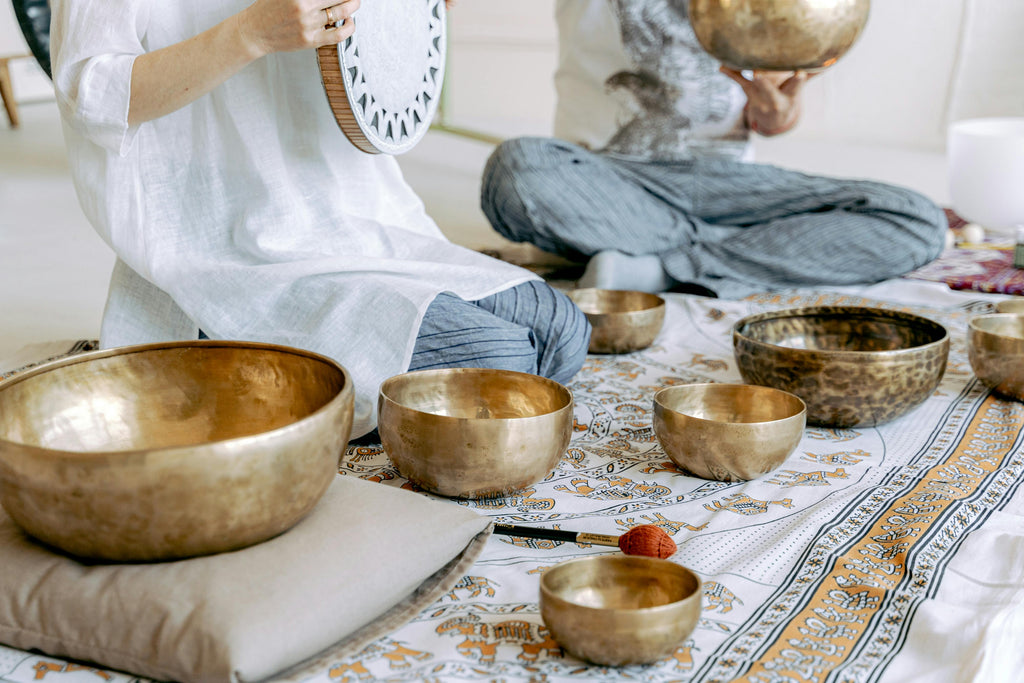
Tibetan metal bowls: - Warm, complex harmonics with rich overtones - Medium sustain (30 seconds to 2 minutes typically) - Each bowl unique in tone - Durable and develop character over time - Traditional aesthetic and energy - Some prefer the organic, grounding quality
Questions to ask yourself: - Do I prefer pure, clear tones or warm, complex sounds? - Will the bowl be used in one location or transported frequently? - What’s my budget? (Crystal typically costs more) - Am I working with specific frequencies/chakras or seeking general meditation support? - Do I value traditional authenticity or precision tuning?
Many experienced practitioners eventually own both types, using them for different applications.
Question 3: What Note or Frequency Do I Need?
Why This Matters
If you’re working with chakras or specific healing frequencies, choosing the right note is crucial. However, if you’re seeking a general meditation tool, any quality bowl will work beautifully.
What to Consider
For chakra work: - Root chakra: C (256-264 Hz) - Sacral chakra: D (288-297 Hz) - Solar plexus: E (320-330 Hz) - Heart chakra: F (341-352 Hz) - Throat chakra: G (384-396 Hz) - Third eye: A (426-440 Hz) - Crown chakra: B (480-495 Hz)
For general meditation: - F (heart chakra) is most versatile and widely used - E (solar plexus) is energizing and empowering - C (root) is grounding and stabilizing
For specific intentions: - Grounding/stability: Lower notes (C, D, E) - Heart-opening/emotions: Mid-range (F, G) - Clarity/spiritual connection: Higher notes (A, B)
Questions to ask the seller: - What note/frequency is this bowl tuned to? - How was it verified? (Tuner, professional testing, etc.) - Is it tuned to A=440 Hz or A=432 Hz standard? - Which octave is the note in? (This significantly affects character)
Learn more about frequencies in our singing bowl frequency guide.
Question 4: Is This Bowl Hand-Hammered or Machine-Made?
Why This Matters
Manufacturing method affects sound quality, price, uniqueness, and even the “energy” many practitioners report feeling from their bowls.
What to Consider
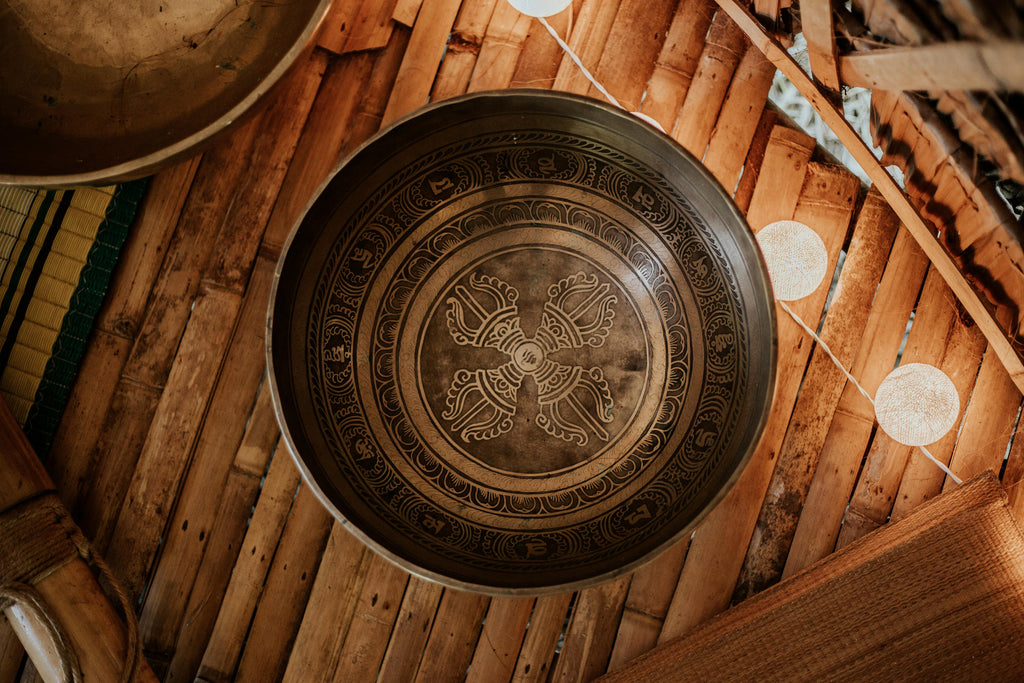
Hand-hammered bowls: - Each is unique with individual character - More complex harmonic overtones - Traditional craftsmanship - Can vary in exact frequency (even within same note) - Typically more expensive - Valued by practitioners who appreciate authenticity - Show visible hammer marks and slight irregularities
Machine-made bowls: - Consistent tuning and quality - More affordable - Excellent for beginners - Less complex harmonics - Uniform appearance - Easier to match exact frequencies for chakra sets
Questions to ask: - How was this bowl made? - If hand-hammered, where and by whom? - If machine-made, what quality control exists? - Can I hear multiple bowls of the same model to compare?
Neither method is universally superior—choice depends on your priorities and values.
Question 5: How Much Should I Expect to Pay?
Why This Matters
Understanding fair pricing helps you avoid overpaying while ensuring you get quality. Extremely cheap bowls are often poor quality; extremely expensive ones may be marked up beyond their actual value.
Typical Price Ranges
Machine-made metal bowls: - 4-6 inches: $25-$60 - 7-9 inches: $50-$100 - 10-12 inches: $80-$150
Hand-hammered metal bowls: - 4-6 inches: $40-$100 - 7-9 inches: $75-$200 - 10-14 inches: $150-$400 - Antique bowls: $200-$5,000+
Crystal singing bowls: - 6-8 inches: $100-$250 - 9-11 inches: $200-$500 - 12-14 inches: $400-$800 - 15+ inches: $600-$2,000+
Factors affecting price: - Size (larger = more expensive) - Material and quality - Manufacturing method - Age (antique vs. modern) - Rarity or special features - Seller markup - Whether accessories included (striker, cushion)
Red flags: - Prices far below typical ranges (likely poor quality or fake) - Prices far above ranges without clear justification - Pressure tactics or “too good to be true” deals - Lack of return policy or quality guarantee
Question 6: Can I Return or Exchange the Bowl?
Why This Matters
Sometimes a bowl that seems perfect online or in-store doesn’t resonate with you once you get it home. A good return policy protects your investment.
What to Ask
About return policies: - How many days do I have to return or exchange? - What condition must the bowl be in? - Who pays return shipping? - Are there restocking fees? - What about damaged or defective bowls?
Best practices: - Test the bowl thoroughly within the return period - Keep all original packaging until you’re certain - Document any issues with photos/videos - Understand the difference between “defective” and “not what I expected”
For online purchases: - Read seller reviews specifically mentioning returns - Ask about their track record with damaged shipments - Understand their packaging methods
Reputable sellers stand behind their products. Hesitation to offer reasonable return policies is a warning sign.
Question 7: What Accessories Do I Need?
Why This Matters
A singing bowl without the right accessories won’t reach its full potential. Some sellers include everything you need; others require separate purchases.
Essential Accessories
Striker/Mallet: - Must be appropriately sized for your bowl - Material matters (wood, leather-wrapped, suede-covered, rubber for crystal) - Quality strikers improve sound quality significantly - Expect to pay $10-$30 for a good striker
Cushion or Ring: - Allows bowl to vibrate freely - Prevents damage to surfaces - Makes playing easier and more stable - Small ring cushions: $5-$15 - Larger cushions: $15-$30
Optional but useful: - Carrying/storage case (especially for crystal bowls) - Multiple strikers for different effects - Stand (for larger bowls) - Cleaning supplies
Questions to ask: - What accessories are included with purchase? - Are the included striker and cushion high quality? - What additional accessories do you recommend? - Can I purchase accessories separately if needed?
Question 8: Can I Hear the Bowl Before Buying?
Why This Matters
Hearing the actual bowl (not just a similar model) ensures you’re getting the sound you want. While not always possible for online purchases, it’s ideal when feasible.
What to Ask
For in-person shopping: - May I play multiple bowls to compare? - Can you demonstrate proper technique? - May I record the sound for later reference? - Can I spend time alone with the bowl to really listen?
For online purchases: - Do you provide audio or video of the specific bowl? - Can you send me a recording before I commit? - What if the bowl doesn’t sound like I expected? - How do you ensure sound quality?
What to listen for: - Does the fundamental tone sound clear and pleasant? - Are there harsh or unpleasant overtones? - Does the bowl sustain sound well? - Does it resonate with you emotionally/intuitively?
Trust your intuition: The bowl that “feels right” often is right, even if you can’t articulate why. Pay attention to emotional and physical responses as you listen.
Question 9: How Do I Verify Authenticity and Quality?
Why This Matters
The market includes fake antiques, poorly-made new bowls, and misrepresented products. Knowing how to verify quality protects your investment.
Signs of Quality
For all bowls: - Clear, sustained tone without harsh overtones - Solid construction with no cracks or major flaws - Appropriately sized striker included - Realistic pricing for the type and size - Seller can answer questions knowledgeably
For hand-hammered metal bowls: - Visible hammer marks (not stamped patterns) - Slight irregularities in shape and thickness - Weight appropriate to size (not hollow-feeling) - Natural patina if claimed as antique - Rich, complex harmonic overtones
For crystal bowls: - Pure, clear tone - Frosted surface is consistent (if frosted type) - Clear bowls are truly transparent - No chips or cracks - Appropriate weight for size
For antique bowls: - Documentation of age and origin (though rare) - Natural wear patterns consistent with age - Patina that can’t be easily removed - Price reflects genuine age (not bargain-priced) - Seller specializes in authentic antiques
Questions to Ask
About the seller: - How long have you been selling singing bowls? - Where do you source your bowls? - Do you guarantee authenticity? - Can you provide references or reviews? - What’s your expertise in singing bowls?
About the specific bowl: - Where and when was this made? - How do you verify the note/frequency? - Has it been tested for cracks or defects? - What makes this bowl worth this price? - Are there any flaws I should know about?
Red flags: - Vague answers about origin or construction - Reluctance to provide details - No way to verify claims about age, origin, or materials - Pressure to buy immediately - No credentials or expertise
For comprehensive guidance on selecting quality bowls, read our singing bowl buyers guide.
Bonus Question: Should I Buy Online or In Person?
The Trade-offs
In-person shopping advantages: - Play before buying - See and feel the bowl - Immediate guidance from experienced sellers - No shipping concerns - Instant gratification
In-person shopping disadvantages: - Limited selection - Often higher prices - Pressure from sales staff - May not find exactly what you want
Online shopping advantages: - Vast selection - Often better prices - Read reviews from other buyers - Compare multiple options easily - Shop at your pace
Online shopping disadvantages: - Can’t hear the specific bowl beforehand - Shipping risks (damage) - Harder to verify quality - No immediate hands-on guidance - Return shipping can be expensive
Making Online Shopping Safer
- Purchase from established sellers with good reviews
- Ask for audio/video of the specific bowl
- Verify return policies before buying
- Pay with methods that offer buyer protection
- Research the seller thoroughly
Many excellent singing bowls are purchased online successfully. Just take extra precautions to ensure you’re working with reputable sellers.
Putting It All Together
Now that you know the nine essential questions to ask, you’re equipped to make an informed singing bowl purchase. Let’s review:
- What size bowl is right for my needs? Consider your space, purpose, and physical abilities
- Should I choose crystal or metal? Decide between pure tones and warm harmonics
- What note or frequency do I need? Match to chakras or choose based on intention
- Is this bowl hand-hammered or machine-made? Balance uniqueness with consistency
- How much should I expect to pay? Understand fair pricing for quality
- Can I return or exchange the bowl? Protect your investment
- What accessories do I need? Ensure you have everything for proper use
- Can I hear the bowl before buying? Experience the actual sound when possible
- How do I verify authenticity and quality? Know the signs of genuine quality
Your First (or Next) Singing Bowl
Start your purchase process by:
- Clarifying your primary intention for the bowl
- Setting a realistic budget
- Researching reputable sellers
- Reading reviews from other buyers
- Asking all nine questions before committing
- Trusting your intuition alongside the practical considerations
Remember, the “perfect” bowl is the one that resonates with you—literally and figuratively. While these nine questions provide practical guidance, don’t discount the importance of emotional connection and intuitive resonance.
Ready to find your perfect singing bowl? Browse our curated collection, where we provide detailed information about every bowl, transparent pricing, and expert guidance to help you make the best choice.
And once you’ve selected your bowl, learn how to use it effectively to maximize its healing potential in your practice.
Your journey with singing bowls begins with asking the right questions—and we’re here to help you find all the answers.
Final Checklist: Before You Buy
✓ I know what size will work for my space and needs ✓ I’ve decided between crystal and metal ✓ I understand what note/frequency I want (or that any quality bowl will work) ✓ I know whether I prefer hand-hammered or machine-made ✓ I’ve confirmed the price is fair for the quality ✓ I’ve reviewed the return/exchange policy ✓ I know what accessories are included or needed ✓ I’ve heard the bowl (or have a plan for returns if it’s not right) ✓ I’ve verified the seller’s reputation and the bowl’s authenticity ✓ I’ve checked reviews from other buyers ✓ I trust my intuition about this purchase
When you can check all these boxes, you’re ready to buy with confidence.
Find authentic singing bowls with complete transparency, detailed descriptions, and expert support. Explore our collection and begin your sound healing journey with confidence.
Related post

04
Sep

03
Sep
02
Sep
22
Apr
21
Nov
RECENT POSTS