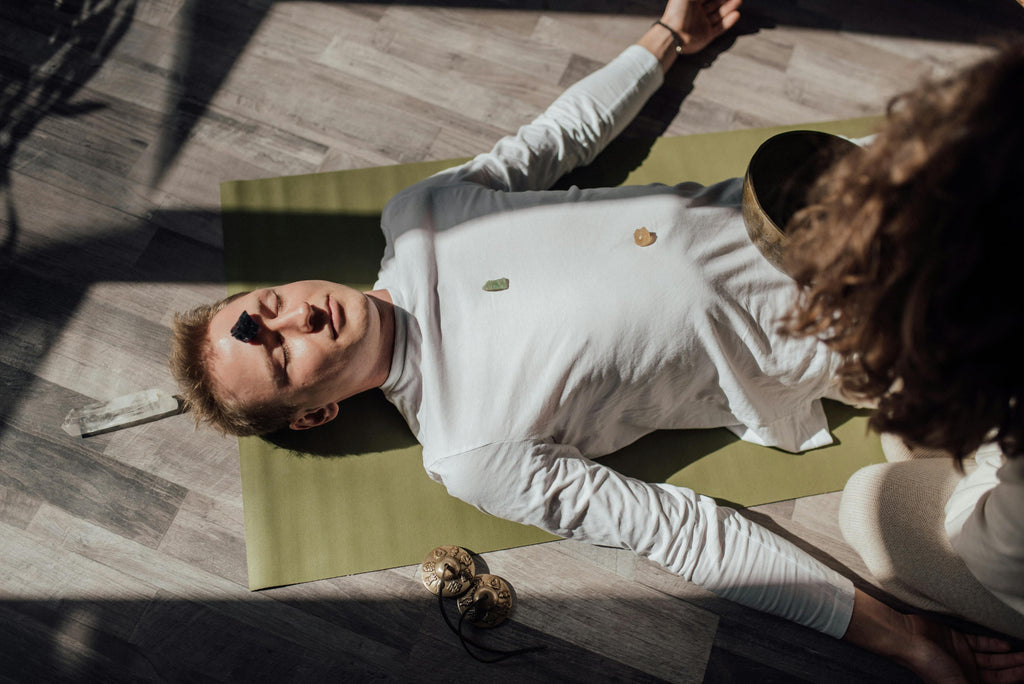
7 Chakras and Singing Bowl Frequencies
7 Chakras and Their Corresponding Singing Bowl Frequencies
The ancient chakra system offers a powerful framework for understanding energy, consciousness, and wellbeing. When combined with the therapeutic vibrations of singing bowls, this system becomes a practical tool for balancing physical, emotional, and spiritual health.
Whether you’re new to chakra work or an experienced energy practitioner, understanding how specific singing bowl frequencies correspond to each chakra can deepen your healing practice and help you select the right bowls for your needs.
In this comprehensive guide, we’ll explore each of the seven main chakras, their associated frequencies, and how to work with chakra singing bowls for optimal balance and healing.
Understanding Chakras and Sound Healing
What Are Chakras?
Chakras are energy centers within the subtle body described in yogic and Tantric traditions. The word “chakra” comes from Sanskrit, meaning “wheel” or “disk,” referring to the spinning vortexes of energy located along the spine from the base to the crown of the head.
While chakras aren’t physical structures visible to the eye, they correspond to major nerve plexuses and endocrine glands in the body. Many practitioners and recipients of energy work report distinct physical sensations in chakra locations, suggesting tangible physiological correlations with these energy centers.
How Sound Frequencies Affect Chakras
The chakra system is built on the principle of vibration—each chakra vibrates at a specific frequency. When a chakra becomes “blocked” or imbalanced, its natural frequency is disrupted. Sound healing meditation with appropriately tuned singing bowls can help restore these frequencies to their optimal states.
This works through several mechanisms:
Resonance: When an external frequency (the singing bowl) matches a chakra’s natural frequency, the chakra begins to resonate at that frequency, potentially restoring balance.
Entrainment: Even if frequencies don’t match exactly, the body’s natural tendency is to sync with strong external rhythms and vibrations.
Intention: The combination of specific frequencies with focused awareness and intention creates powerful conditions for energetic and physical shifts.
Chakra 1: Root Chakra (Muladhara)
Location and Associations
Physical location: Base of spine, pelvic floor Color: Red Element: Earth Endocrine gland: Adrenals Body areas: Legs, feet, bones, large intestine, immune system
Governs: Survival, security, grounding, stability, physical health, tribal/family connections
Musical Note and Frequency
Note: C Frequency range: 256-264 Hz (typically C4) Vibrational quality: Low, grounding, anchoring
The root chakra resonates with the lowest note in the chakra system, creating a foundation for all other chakras—just as C is the foundation of the musical scale.
Signs of Imbalance
Deficient (underactive): - Feeling ungrounded, spacey, or disconnected from body - Anxiety, especially about basic security - Financial difficulties or instability - Weak boundaries - Chronic fatigue or low energy
Excessive (overactive): - Materialism, hoarding, or obsession with security - Resistance to change, rigidity - Aggression or dominance issues - Overeating or other excessive behaviors - Stubbornness
Physical symptoms: - Lower back pain - Leg or foot problems - Immune disorders - Digestive issues - Eating disorders
Working with Root Chakra Singing Bowls
Bowl recommendations: - Large bowls (10-14 inches) produce the low C frequency needed - Tibetan metal bowls often work beautifully for root chakra due to their grounding quality - Deep, resonant tones that you can feel physically
Practice techniques: - Sit directly on the ground (not on a chair) when working with root chakra - Play the bowl slowly, focusing on the vibrations moving through your sit bones and legs - Visualize red light at the base of your spine - Combine with grounding practices like walking barefoot or working with the earth - Use slower rimming speeds to match the earth element’s stable, solid nature
Affirmations to use during practice: - “I am safe and secure” - “I trust the process of life” - “I am grounded and centered” - “My needs are met”
Chakra 2: Sacral Chakra (Svadhisthana)
Location and Associations
Physical location: Lower abdomen, about 2 inches below navel Color: Orange Element: Water Endocrine gland: Reproductive glands (ovaries/testes) Body areas: Hips, lower back, sexual organs, bladder, kidneys
Governs: Creativity, pleasure, sexuality, emotions, fluidity, joy
Musical Note and Frequency
Note: D Frequency range: 288-297 Hz (typically D4) Vibrational quality: Flowing, sensual, creative
The sacral chakra’s note follows naturally from the root, building upon the foundation with creative, flowing energy that corresponds to the water element.
Signs of Imbalance
Deficient: - Lack of creativity or passion - Sexual dysfunction or disinterest - Emotional numbness or depression - Rigidity, fear of change - Guilt, especially around pleasure
Excessive: - Addictive behaviors - Emotional instability or drama - Sexual obsession or inappropriate boundaries - Overindulgence - Lack of boundaries in relationships
Physical symptoms: - Reproductive system issues - Lower back pain - Hip problems - Urinary difficulties - Loss of appetite for food, sex, or life
Working with Sacral Chakra Singing Bowls
Bowl recommendations: - Large to medium bowls (9-12 inches) in D note - Both crystal and metal bowls work well - Bowls that produce flowing, wavelike tones
Practice techniques: - Place bowl on floor near pelvis level - Use fluid, wavelike rimming motions rather than rigid circles - Visualize orange light filling lower abdomen - Practice in a warm, comfortable environment that feels sensual and safe - Combine with hip-opening yoga poses or dance
Affirmations to use during practice: - “I embrace pleasure and joy” - “My emotions flow freely and healthily” - “I am creative and passionate” - “I honor my sensuality”
Chakra 3: Solar Plexus Chakra (Manipura)
Location and Associations
Physical location: Upper abdomen, between navel and sternum Color: Yellow Element: Fire Endocrine gland: Pancreas Body areas: Digestive system, liver, stomach, small intestine
Governs: Personal power, confidence, willpower, self-esteem, transformation
Musical Note and Frequency
Note: E Frequency range: 320-330 Hz (typically E4) Vibrational quality: Energizing, empowering, warming
The solar plexus chakra’s frequency carries the fire element’s transformative, activating quality.
Signs of Imbalance
Deficient: - Low self-esteem or confidence - Victim mentality - Difficulty making decisions - Lack of direction or willpower - Chronic fatigue - Digestive problems
Excessive: - Dominating or controlling behavior - Anger, aggression, or explosive temper - Perfectionism - Workaholism - Inability to relax - Judgmental attitude
Physical symptoms: - Digestive disorders - Diabetes or blood sugar issues - Liver problems - Chronic fatigue - Weight issues
Working with Solar Plexus Chakra Singing Bowls
Bowl recommendations: - Medium bowls (8-10 inches) in E note - Brighter, more activating tones - Crystal bowls often work beautifully for solar plexus energy
Practice techniques: - Sit upright with strong, confident posture - Use more energetic, dynamic playing techniques - Visualize golden yellow light radiating from your solar plexus - Practice in sunlight when possible - Combine with confidence-building affirmations and empowering practices
Affirmations to use during practice: - “I am powerful and confident” - “I honor my personal power” - “I am worthy of respect” - “I trust my inner wisdom”
Chakra 4: Heart Chakra (Anahata)
Location and Associations
Physical location: Center of chest, at heart level Color: Green (sometimes pink) Element: Air Endocrine gland: Thymus Body areas: Heart, lungs, circulatory system, arms, hands
Governs: Love, compassion, connection, acceptance, relationships, forgiveness
Musical Note and Frequency
Note: F Frequency range: 341-352 Hz (typically F4) Vibrational quality: Balanced, harmonious, opening
The heart chakra sits at the center of the seven chakras, creating a bridge between the lower, earthly chakras and the upper, spiritual chakras. Its frequency carries qualities of balance and integration.
Signs of Imbalance
Deficient: - Difficulty giving or receiving love - Loneliness, isolation - Lack of empathy or compassion - Fear of intimacy - Codependency - Grief that hasn’t been processed
Excessive: - Codependency, losing self in relationships - Jealousy and possessiveness - Poor boundaries - People-pleasing - Giving to depletion
Physical symptoms: - Heart problems - Lung and breathing issues - Immune disorders - Upper back and shoulder pain - Breast problems
Working with Heart Chakra Singing Bowls
Bowl recommendations: - Medium bowls (7-9 inches) in F note - Harmonious, balanced tones - This is often the most versatile and widely-used chakra bowl
Practice techniques: - Sit with open chest posture, shoulders back - Place hands on heart center while playing - Visualize green or pink light expanding from your chest - Practice loving-kindness meditation while working with the bowl - Combine with meditation practices focused on compassion
Affirmations to use during practice: - “I give and receive love freely” - “My heart is open and free” - “I forgive myself and others” - “I am worthy of love”
Chakra 5: Throat Chakra (Vishuddha)
Location and Associations
Physical location: Throat, neck area Color: Light blue/turquoise Element: Sound/Ether Endocrine gland: Thyroid Body areas: Throat, neck, mouth, ears, jaw
Governs: Communication, self-expression, truth, authenticity, creativity through voice
Musical Note and Frequency
Note: G Frequency range: 384-396 Hz (typically G4) Vibrational quality: Clear, expressive, resonant
The throat chakra’s frequency naturally supports vocal resonance and clear communication.
Signs of Imbalance
Deficient: - Difficulty expressing thoughts or feelings - Fear of speaking up - Shyness or social anxiety - Weak voice - Secrets, dishonesty (with self or others) - Feeling unheard
Excessive: - Talking excessively, inability to listen - Gossiping - Loud or harsh voice - Interrupting others - Speaking without thinking - Verbal aggression
Physical symptoms: - Sore throat, chronic cough - Thyroid problems - Neck and shoulder pain - Jaw problems, TMJ - Hearing issues - Mouth/gum problems
Working with Throat Chakra Singing Bowls
Bowl recommendations: - Small to medium bowls (6-8 inches) in G note - Clear, pure tones - Crystal bowls particularly effective for throat chakra
Practice techniques: - Hum or tone while playing the bowl - Place bowl near (not on) throat area - Visualize bright blue light at your throat - Practice speaking truth or journaling after sound healing - Combine with breathwork practices
Affirmations to use during practice: - “I speak my truth with clarity and love” - “My voice matters” - “I express myself authentically” - “I listen deeply to myself and others”
Chakra 6: Third Eye Chakra (Ajna)
Location and Associations
Physical location: Between eyebrows, center of forehead Color: Indigo/deep purple Element: Light Endocrine gland: Pituitary Body areas: Eyes, brain, pineal and pituitary glands
Governs: Intuition, insight, imagination, wisdom, vision, perception
Musical Note and Frequency
Note: A Frequency range: 426-440 Hz (typically A4) Vibrational quality: Penetrating, clarifying, illuminating
The third eye chakra’s frequency supports mental clarity and intuitive perception.
Signs of Imbalance
Deficient: - Poor memory or concentration - Difficulty visualizing - Lack of imagination - Skepticism that blocks intuition - Fear of success - Feeling stuck in rational mind
Excessive: - Delusions or hallucinations - Obsessive thinking - Difficulty distinguishing intuition from imagination - Nightmares - Headaches and migraines - Overly focused on psychic abilities
Physical symptoms: - Headaches, migraines - Vision problems - Sinus issues - Neurological problems - Seizures - Sleep disorders
Working with Third Eye Chakra Singing Bowls
Bowl recommendations: - Small bowls (5-7 inches) in A note - Higher, clearer frequencies - Precise, focused tones
Practice techniques: - Gently focus attention on third eye area (don’t strain) - Keep eyes closed during practice - Visualize indigo light at forehead center - Practice in darkened or candle-lit environment - Combine with visualization or insight meditation
Affirmations to use during practice: - “I trust my intuition” - “I see clearly” - “My inner vision is clear and wise” - “I am open to insight and guidance”
Chakra 7: Crown Chakra (Sahasrara)
Location and Associations
Physical location: Top of head Color: Violet or white Element: Thought/Consciousness Endocrine gland: Pineal Body areas: Cerebral cortex, central nervous system
Governs: Spiritual connection, consciousness, enlightenment, unity, transcendence
Musical Note and Frequency
Note: B Frequency range: 480-495 Hz (typically B4) Vibrational quality: Highest, most refined, transcendent
The crown chakra’s frequency is the highest in the chakra scale, representing the pinnacle of consciousness and spiritual connection.
Signs of Imbalance
Deficient: - Disconnection from spirituality - Lack of purpose or direction - Cynicism - Rigid belief systems - Depression - Learning difficulties
Excessive: - Spiritual addiction or bypassing - Confusion, dissociation - Difficulty functioning in material world - Attachment to spiritual experiences - Spiritual superiority
Physical symptoms: - Chronic exhaustion - Sensitivity to light and sound - Neurological disorders - Immune disorders - Depression
Working with Crown Chakra Singing Bowls
Bowl recommendations: - Small bowls (4-6 inches) in B note - Very high, pure frequencies - Often best in crystal for clarity
Practice techniques: - Sit in meditation with bowl played above head level (safely) - Use lightest, most delicate playing techniques - Visualize violet or white light at crown - Practice with sense of opening upward - Combine with gratitude or unity consciousness practices
Affirmations to use during practice: - “I am connected to all that is” - “Divine wisdom flows through me” - “I am open to higher guidance” - “I trust the universe”
Working with Full Chakra Sets
Many practitioners work with complete sets of seven chakra singing bowls for comprehensive energy balancing.
Chakra Progression Practices
Ascending (Root to Crown): - Activates and energizes - Moves energy upward - Ideal for morning practice or when feeling sluggish - Supports spiritual ascension
Descending (Crown to Root): - Calms and grounds - Moves energy downward - Ideal for evening practice or when feeling ungrounded - Supports embodiment and integration
Targeted Work: Focus on specific chakras showing imbalance rather than always working through all seven.
Selecting Your Chakra Bowl Collection
When building a chakra bowl collection:
-
Start with one or two: Many practitioners begin with heart chakra (F) or solar plexus (E) as these are most versatile
-
Add based on need: Select additional bowls based on which chakras require most attention in your life
-
Consider bowl type: Decide between crystal (pure tones) or Tibetan metal (complex harmonics) based on preference
-
Verify frequencies: Ensure bowls are properly tuned to chakra notes
-
Match to your practice space: Consider bowl sizes appropriate for your space
Our comprehensive singing bowl buyers guide provides detailed guidance on selecting chakra-specific bowls.
Combining Chakra Bowls with Other Modalities
Chakra singing bowl work enhances:
- Yoga asana practice (use specific chakra bowls during poses that target corresponding chakras)
- Meditation (deepen specific energy center work)
- Energy healing (Reiki, acupuncture, etc.)
- Breathwork (pranayama combined with chakra tones)
- Visualization and manifestation work
Understanding Frequency Variations
While this guide provides standard chakra-frequency correspondences, you may encounter variations:
- Different tuning systems (A=440 Hz vs. A=432 Hz)
- Various octaves of the same note (C3 vs. C4 vs. C5)
- Alternative frequency systems (Solfeggio frequencies, planetary tunings)
- Individual practitioner preferences and lineages
The most important factor isn’t rigid adherence to specific Hz measurements but rather your direct experience of resonance with particular tones. Trust what you feel and experience in your practice.
For deeper exploration of singing bowl frequencies and their applications, read our comprehensive singing bowl frequency guide.
Getting Started with Chakra Singing Bowl Practice
Ready to begin working with chakra singing bowls?
- Learn to identify imbalances: Notice which life areas or chakras need attention
- Start simple: Begin with one or two bowls rather than purchasing a complete set immediately
- Develop sensitivity: Spend time with each bowl, noticing how it affects you
- Study the system: Deepen your understanding of chakras through reading and practice
- Trust your experience: Let direct experience guide you more than theory
The relationship between sound, frequency, and consciousness is both ancient science and personal art. As you work with chakra singing bowls, you’ll develop your own understanding of how these powerful vibrations support your unique healing journey.
Explore our collection of chakra-tuned singing bowls and discover the frequencies that resonate with your path to balance and wholeness.
Find perfectly tuned chakra singing bowls for comprehensive energy work. Browse our collection of crystal and Tibetan bowls tuned to all seven chakras.
Related post

04
Sep

03
Sep
02
Sep
22
Apr
21
Nov
RECENT POSTS