
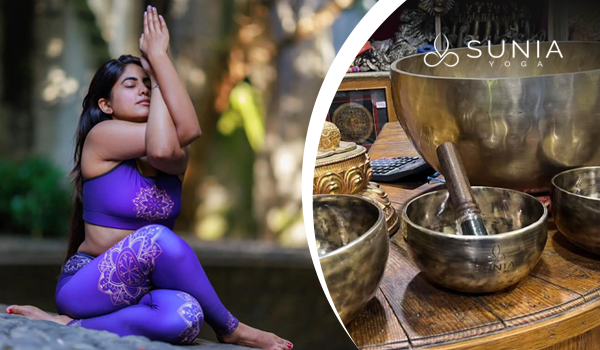
Introducing: Sound Healing with Tibetan Singing Bowls through Yoga
Yoga, meditation, and the ancient practice of sound healing with Tibetan singing bowls have become increasingly important tools for those seeking calm, focus, and a deeper connection between mind, body, and breath.
In my own yoga and meditation practice, singing bowls gradually became more than a background element. Over time, and through formal training in both metal and crystal singing bowls as well as tuning forks, I began to understand how subtle changes in technique, placement, and pacing can dramatically affect the experience.
For yoga practitioners, integrating Tibetan singing bowls into a regular practice can support a more grounded, meditative state. Used intentionally, the sound becomes an anchor, helping the body relax and the mind settle.
If you are new to sound healing, understanding how to approach the bowl itself is essential. We’ve put together a comprehensive singing bowl buyers guide to help you choose a bowl that aligns with your practice and space.
What Is a Tibetan Singing Bowl?
A Tibetan singing bowl is a type of bell traditionally used to support meditation and contemplative practices. When struck or played along the rim with a mallet, the bowl produces sustained vibrations that can be felt as much as they are heard.
Traditionally crafted from a blend of metals, these bowls generate layered tones that interact with the nervous system. Rather than demanding attention, the sound gently draws awareness inward, which is why they are so effective in yoga and meditation settings.
How Singing Bowls Support Yoga and Meditation
In a yoga setting, singing bowls help establish rhythm and presence. The consistent vibration encourages the body to relax while giving the mind a single point of focus.
Many practitioners notice that when the bowl is played slowly and with steady pressure, it becomes easier to maintain awareness during breathwork or stillness. Learning how to use singing bowls with intention is often the turning point where the sound shifts from background ambiance to an active part of the practice.
Benefits of Integrating Tibetan Singing Bowls Into Yoga Practices
- Deepens Relaxation and Meditation – The sustained tones help guide the nervous system into a calmer state, supporting longer periods of stillness.
- Encourages Mindful Awareness – Focusing on sound can make it easier to remain present during poses or seated meditation.
- Supports Chakra-Based Practices – Many practitioners explore how sound interacts with energetic centers, particularly when working with specific frequencies and tones.
- Improves Focus and Clarity – The vibrational quality of the bowl can reduce mental chatter and support clearer attention.
- Creates a Grounded Closing Ritual – Using a bowl at the end of a session can help integrate the practice before transitioning back into daily life.
Getting Started With Singing Bowls in Your Yoga Practice
For beginners, simplicity matters. Choose a quiet space and start with one bowl rather than trying to incorporate multiple sounds at once.
Begin by either gently striking the bowl or slowly circling the rim with the mallet. Pay attention to pressure and pacing rather than volume. Subtle adjustments often produce the most noticeable changes.
Bowl size and tone can also influence how accessible the sound feels. If you’re curious about how size affects resonance and depth, this singing bowl sizes guide offers a helpful overview.
Understanding Sound, Frequency, and Energy
As your practice develops, you may begin to notice that singing bowls produce more than one dominant tone. With consistency and control, different overtones can become more prominent.
For those interested in how sound relates to energetic work, exploring singing bowl frequencies can add another layer of intention to both yoga and meditation sessions.
Choosing the Right Bowl for Your Practice
Selecting a bowl is a personal process. The sound should feel grounding rather than overwhelming, and the bowl should be comfortable to play for extended periods.
If you’re deciding between styles or materials, the buyers guide walks through common considerations and questions that often come up when starting out.
You can also explore our collection of singing bowls, curated with yoga and meditation practitioners in mind.
Bringing Sound Healing Into Everyday Practice
Whether used during meditation, integrated into a yoga flow, or as a closing ritual, Tibetan singing bowls offer a simple yet powerful way to support mindfulness and relaxation.
Approached slowly and with curiosity, sound healing becomes less about technique and more about listening. Over time, the bowl becomes a familiar companion in practice, guiding awareness inward through vibration rather than instruction.
As you continue exploring, resources like our guide on sound healing meditation can help deepen understanding and consistency.
For those who prefer a visual demonstration, this short video walks through the basics of playing a Tibetan singing bowl:
Related post

04
Sep

03
Sep
02
Sep
22
Apr
21
Nov
RECENT POSTS


