
Sound Healing Meditation Guide
Sound Healing Meditation: A Complete Guide to Vibrational Wellness
Sound healing meditation is an ancient practice that uses vibrational frequencies to promote deep relaxation, reduce stress, and support holistic wellness. Whether you’re new to meditation or an experienced practitioner looking to deepen your practice, sound healing offers a powerful pathway to inner peace and energetic balance.
In this comprehensive guide, we’ll explore what sound healing meditation is, how it works, its scientifically-backed benefits, and practical techniques you can use to incorporate this transformative practice into your daily life.
What Is Sound Healing Meditation?
Sound healing meditation combines the contemplative practice of meditation with therapeutic sound vibrations. Unlike traditional silent meditation, this practice uses specific frequencies and tones—often produced by singing bowls, gongs, tuning forks, or other instruments—to guide the mind into deeper states of relaxation and awareness.
The practice is rooted in the understanding that everything in the universe, including our bodies, is in a state of vibration. When we’re stressed, anxious, or unwell, our natural frequencies can become disrupted. Sound healing meditation works to restore these frequencies to their harmonious state.
The Science Behind Sound Healing
Modern research has begun to validate what ancient practitioners have known for millennia. Studies show that specific sound frequencies can:
- Reduce cortisol levels: Sound meditation has been shown to lower stress hormones in the body
- Alter brainwave states: Vibrational frequencies can help shift the brain from beta (active thinking) to alpha and theta (relaxed, meditative) states
- Stimulate the vagus nerve: Certain frequencies activate the parasympathetic nervous system, promoting rest and digest responses
- Enhance neuroplasticity: Regular sound meditation may support the brain’s ability to form new neural connections
A 2016 study published in the Journal of Evidence-Based Complementary & Alternative Medicine found that participants who experienced Tibetan singing bowl meditation showed significantly greater reductions in tension, anger, and fatigue compared to pre-meditation baseline levels.
Types of Sound Healing Instruments
Different instruments create unique vibrational experiences in meditation. Here are the most commonly used tools in sound healing practices:
Singing Bowls
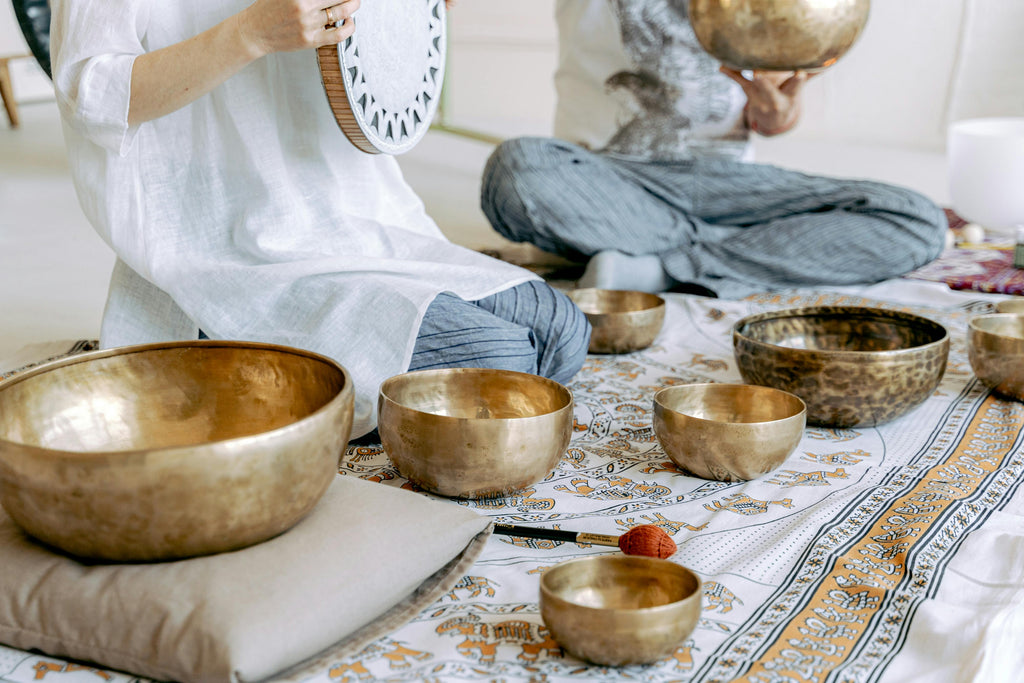
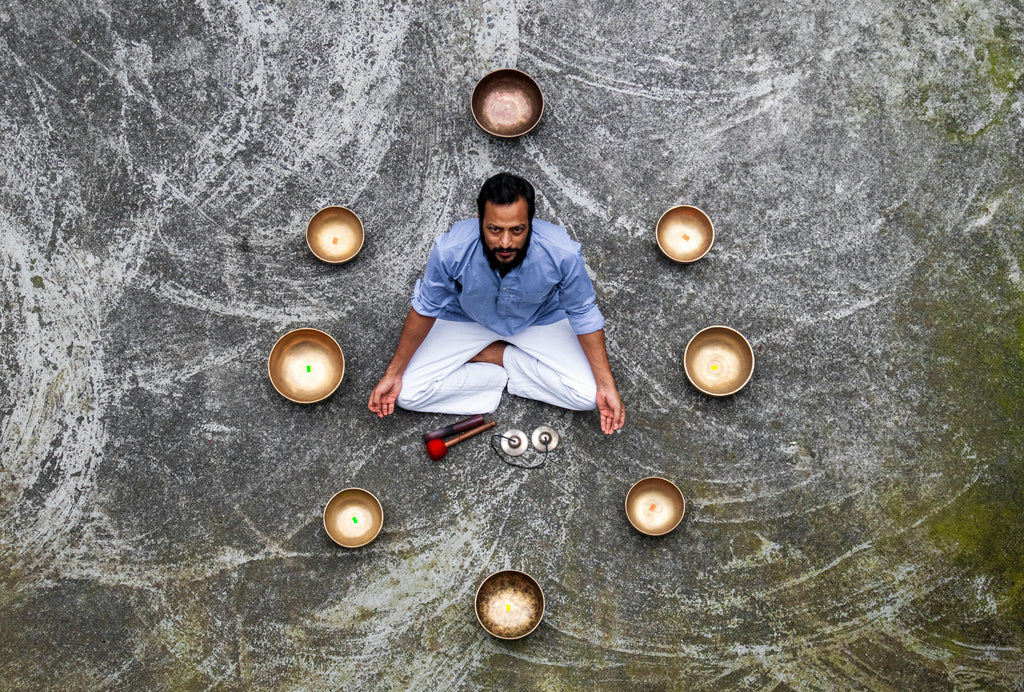
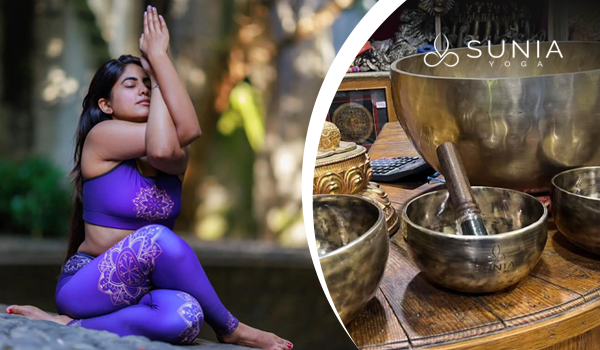
Crystal singing bowls and Tibetan metal singing bowls are among the most popular instruments for sound healing meditation. Each bowl produces a fundamental tone and overtones that create rich, multi-layered vibrations.
Crystal bowls are typically made from pure quartz and produce clear, sustained tones that resonate with specific chakras. Tibetan metal bowls create warmer, more complex harmonics and are often preferred for grounding practices.
To learn more about choosing the right bowl for your practice, read our singing bowl buyers guide.
Gongs
Gongs produce expansive, enveloping sound waves that can create profound meditative experiences. The complex frequencies generated by a gong can help release energetic blockages and facilitate deep emotional processing.
Tuning Forks
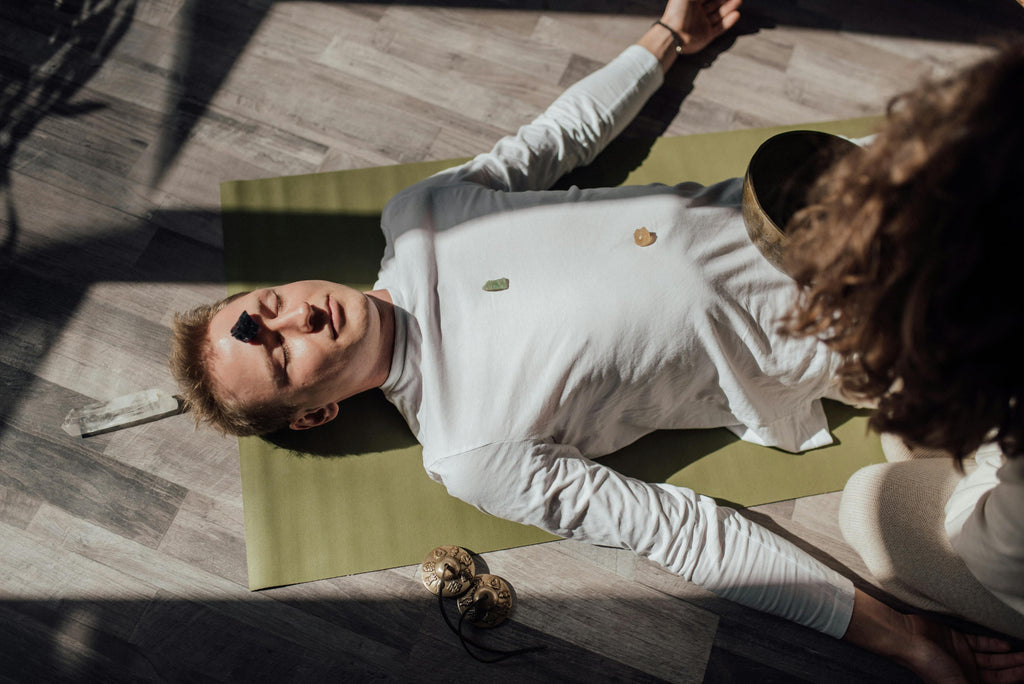
Tuning forks offer precise frequencies that can be applied to specific areas of the body or used to clear the energy field around the body. They’re particularly useful for targeted healing work.
Voice and Chanting
The human voice is perhaps the most ancient sound healing instrument. Chanting mantras, toning vowel sounds, or simply humming creates internal vibrations that massage organs and stimulate the vagus nerve.
The Benefits of Sound Healing Meditation
Regular practice of sound healing meditation offers numerous benefits for physical, mental, and emotional wellbeing:
Stress Reduction and Relaxation
The vibrational frequencies produced during sound healing naturally calm the nervous system. As your body relaxes into the sound, heart rate slows, blood pressure decreases, and stress hormones diminish. Many practitioners report feeling deeply relaxed after just a single session—an effect similar to what you might experience from other meditation practices but often more immediate and profound.
Improved Sleep Quality
Sound healing meditation before bedtime can significantly improve sleep quality. The calming vibrations help quiet racing thoughts and release tension held in the body, making it easier to fall asleep and experience deeper, more restorative rest.
Enhanced Mental Clarity and Focus
By guiding the mind away from repetitive thought patterns, sound meditation creates space for clarity and insight. Many practitioners find that regular sessions improve their ability to focus, make decisions, and approach challenges with a calmer perspective.
Emotional Release and Processing
Sound vibrations can help release stuck emotions stored in the body. The frequencies seem to bypass the analytical mind and access deeper layers of consciousness where emotional patterns are held. This can lead to cathartic releases and profound healing.
Pain Management
Some research suggests that sound healing meditation may help manage chronic pain by promoting deep relaxation, releasing muscle tension, and potentially altering pain perception through its effects on the nervous system.
Chakra Balancing and Energy Work
In yogic and energy healing traditions, sound frequencies are believed to resonate with and balance the body’s energy centers (chakras). Each chakra is associated with specific frequencies, and practitioners use chakra singing bowls tuned to these frequencies to restore energetic balance.
How to Practice Sound Healing Meditation
You don’t need to be a trained sound healer to benefit from sound healing meditation. Here are several ways to incorporate this practice into your life:
Attending a Sound Bath
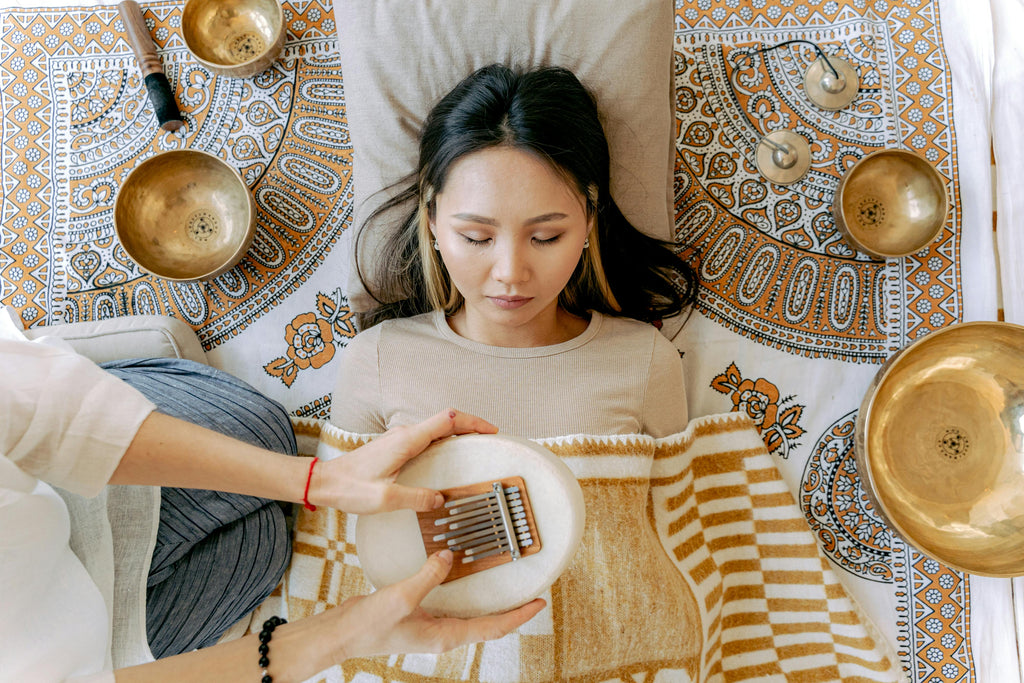
A sound bath is a group meditation experience where a trained facilitator plays various instruments while participants lie comfortably and absorb the vibrations. Sound baths typically last 45-90 minutes and offer a deeply immersive experience ideal for beginners.
Look for sound baths at yoga studios, wellness centers, or meditation spaces in your area. This is an excellent way to experience the power of sound healing before investing in your own instruments.
Creating Your Own Practice at Home
With just a singing bowl and a quiet space, you can create a meaningful sound healing meditation practice at home:
Basic Sound Healing Meditation Practice:
-
Create your space: Find a quiet, comfortable place where you won’t be disturbed. You might want to dim the lights, light candles, or burn incense to set a peaceful atmosphere.
-
Get comfortable: Sit or lie down in a position you can maintain comfortably for 15-30 minutes. If sitting, ensure your spine is upright but relaxed.
-
Set an intention: Before beginning, set an intention for your practice. This might be relaxation, healing, clarity, or simply being present.
-
Begin with breath: Take several deep breaths to center yourself and bring awareness to your body.
-
Introduce sound: If using a singing bowl, strike or rim the bowl gently. Let the sound wash over you without trying to analyze or judge it.
-
Follow the vibrations: As the sound resonates, notice where you feel it in your body. Some people feel tingling, warmth, or waves of sensation moving through them.
-
Maintain awareness: If your mind wanders, gently bring attention back to the sound and physical sensations.
-
Close mindfully: When ready to end, take several deep breaths and slowly open your eyes. Sit quietly for a moment before returning to your day.
For detailed instructions on playing singing bowls, check out our guide on how to use singing bowls.
Using Recorded Sound Healing
Many apps and online platforms offer recorded sound healing meditations. While these don’t provide the same physical vibrations as live instruments, they can still be beneficial, especially when combined with quality headphones or speakers.
Combining Sound with Traditional Meditation
You can enhance your existing meditation practice by incorporating sound. For example, you might begin your seated meditation by playing a singing bowl, use the sound to mark transitions in your practice, or play the bowl periodically to refocus wandering attention.
Sound Healing Techniques for Specific Goals
For Deep Relaxation and Stress Relief
Use lower-frequency instruments like large Tibetan bowls or gongs. Play slowly and allow long spaces between sounds, giving your nervous system time to drop into deeper relaxation. Sessions of 20-30 minutes work well for stress relief.
For Energy and Clarity
Higher-frequency crystal singing bowls or bells can be energizing and clarifying. Play with more variation in rhythm and intensity. Shorter sessions of 10-15 minutes can leave you feeling refreshed and focused.
For Emotional Processing
Create a safe, private space where you feel comfortable expressing emotions. Use mid-range tones and be open to whatever arises—tears, laughter, or simply a feeling of release. Allow at least 30 minutes for this deeper work.
For Sleep Preparation
About 30-60 minutes before bed, practice gentle sound meditation using slow, steady rhythms with lower-frequency singing bowls. This signals your nervous system that it’s time to wind down.
Choosing Your Sound Healing Instruments
If you’re ready to invest in instruments for your personal practice, singing bowls are often the best starting point. They’re relatively affordable, portable, and versatile.
Consider these factors when selecting a singing bowl:
- Size and tone: Larger bowls produce lower, more grounding frequencies; smaller bowls create higher, more activating tones
- Material: Crystal bowls offer pure, sustained notes; Tibetan metal bowls provide warmer, more complex harmonics
- Purpose: Some bowls are tuned to specific chakras or frequencies
- Your resonance: Trust your intuition—the bowl that resonates with you is often the right choice
Our comprehensive singing bowl buyers guide walks you through everything you need to know to choose the perfect bowl for your practice.
Common Questions About Sound Healing Meditation
How often should I practice?
Consistency matters more than duration. Even 5-10 minutes daily can be more beneficial than an occasional hour-long session. Start with what feels manageable and build from there.
Can sound healing meditation replace my current meditation practice?
Sound healing is a complementary practice that can enhance—not necessarily replace—other meditation techniques. Many practitioners find that combining approaches deepens their overall practice.
Are there any contraindications?
Sound healing is generally safe for most people. However, if you have a pacemaker, metal implants, epilepsy, or are in the first trimester of pregnancy, consult with a healthcare provider before participating in sound healing sessions. Very loud or intense sound work should also be approached cautiously if you have sound sensitivity.
Do I need to understand music or have musical ability?
Not at all! Sound healing meditation is about receiving and experiencing vibrations, not about musical performance or knowledge. Anyone can benefit from this practice regardless of musical background.
Integrating Sound Healing Into Your Wellness Routine
Sound healing meditation works beautifully alongside other wellness practices:
- Before or after yoga: Many practitioners find that sound healing deepens their yoga practice by preparing the mind and body or by integrating the energy cultivated during asana practice
- During massage or bodywork: Some therapists incorporate sound healing into sessions
- As part of morning or evening rituals: Brief sound meditation can anchor your day or signal transition to rest
- With breathwork: Combine conscious breathing techniques with sound vibrations for amplified effects
Like many transformative practices, sound healing meditation reveals its deepest benefits over time. Be patient with yourself as you explore this ancient yet ever-relevant approach to wellness.
Getting Started Today
Ready to begin your sound healing meditation journey? Start by:
- Experiencing a sound bath in your area to understand the practice firsthand
- Exploring recorded sound healing meditations online
- Investing in a quality singing bowl for personal practice
- Setting aside dedicated time each day or week for sound meditation
Remember, there’s no “perfect” way to practice sound healing meditation. The most important thing is to approach the practice with openness, curiosity, and patience. Allow the vibrations to guide you into states of deep peace and healing.
As you continue your exploration of sound healing, you might also be interested in learning about the specific benefits of singing bowls, understanding singing bowl frequencies, or discovering how to use singing bowls for different purposes.
The ancient wisdom of sound healing is more accessible than ever, offering a powerful antidote to modern stress and a beautiful pathway to greater wellbeing. May your journey with sound healing meditation bring you profound peace, healing, and transformation.
Ready to deepen your sound healing practice? Explore our curated collection of authentic singing bowls and discover the instrument that resonates with your unique healing journey.
Related post

04
Sep

03
Sep

02
Sep
22
Apr
21
Nov
RECENT POSTS